Prevent Chimney Problems Seattle
For those seeking prompt and dependable chimney repair in Seattle, you can't ignore red flags including deteriorating masonry, moisture damage, or poor smoke ventilation. Immediate attention helps avoid safety risks and expensive structural issues typical of Seattle's wet climate. Rely on certified professionals for comprehensive inspection, water infiltration checks, masonry repair, and waterproofing—all following approved techniques and safety standards. Stay proactive; routine checks and prompt repairs secure your home's efficiency and construction. Explore essential advice and expert guidance to protect your chimney now.
Core Concepts
Warning Signs Your Chimney Requires Repair
Although your chimney appears intact from the outside, there may be warning signs revealing underlying problems that compromise safety and efficiency. Be alert for smoke entering your home, as this usually signals problems with your chimney's ventilation system. Heavy soot buildup inside the chimney or at the fireplace opening indicates poor airflow and increased fire risk. You may detect a strong, persistent odor—this typically indicates creosote or soot is building up, hampering proper airflow. Damaged mortar joints, shifting bricks, or apparent cracks point to structural issues that could quickly escalate if untreated. Through careful observation of these signs, you'll preserve your chimney's safety and lower the chance of safety issues. Book an expert evaluation when you notice any issues.
Typical Chimney Concerns in Seattle Properties
The wet climate of Seattle commonly speeds up chimney deterioration and presents special maintenance challenges for homeowners. Water penetration results in brick spalling, mortar deterioration, and oxidation of metal components. When regular chimney maintenance is overlooked, creosote and soot build up rapidly due to the area's persistent precipitation and cool temperatures, increasing the risk of blockages and fire hazards. You may notice efflorescence—white staining—on your chimney, signaling water infiltration. Broken or absent chimney caps let in precipitation and debris, additionally weakening structural integrity.
A comprehensive flue inspection is crucial because continuous moisture encourages mold and compromises the flue liner, creating hazards for venting fumes and emissions. Addressing these typical issues with routine chimney cleaning and thorough flue inspection helps keep your Seattle home's chimney secure and well-functioning.
Why Prompt Chimney Repair Matters
Fixing chimney problems quickly allows you to prevent costly structural damage that may affect your home's integrity. You'll furthermore lower fire risk by eliminating hazards such as creosote buildup and masonry cracks. Timely repairs ensure your chimney performs efficiently, boosting both indoor comfort and energy use.
Preventing Structural Damage
When water infiltrates into your chimney structure, it accelerates brick deterioration, weakens mortar joints, and affects structural soundness. Left untreated, small cracks expand, permitting additional water seepage and resulting in costly repairs or even structural failure. Periodic cleaning helps you spot these issues early, clearing away debris that can retain dampness on internal surfaces. Inspecting and maintaining your flue lining is essential, as damaged linings subject masonry to corrosive byproducts and more water damage. By taking prompt action, you stop freeze-thaw cycles from causing bricks to spall and mortar to crumble. Tackling early signs of wear prevents extensive rebuilding later. Arrange for professional assessments to ensure your chimney's durability, safety, and performance for years. Immediate care protects your home's structure and peace of mind.
Preventing Fire Risks
When your chimney shows cracks, loose bricks, or deteriorating mortar, it can quickly become a major fire hazard. Gaps and structural weaknesses permit hazardous embers and heat to leak into adjacent combustible structures, elevating the danger of a house fire. To maintain proper chimney safety, you require quick repairs to fix these weak points and restore the chimney's integrity. Taking care of issues promptly ensures that combustible creosote won't build up in hidden spaces, further reducing the chance of ignition. Moreover, compromised chimney liners can allow dangerous fumes to leak into your home, increasing safety concerns. Don't wait for minor problems to escalate; prompt, expert repair is crucial for effective fire prevention and lasting security in your Seattle home.
Making Your Home More Efficient
Even though chimney deterioration typically seems minor in the beginning, even small cracks or gaps can significantly affect your home's energy efficiency. When your chimney develops problems, climate-controlled air seeps away, causing your climate control system to work harder. This not merely increases your monthly expenses but also puts excessive strain on your climate control unit. Timely chimney fixes, along with routine chimney maintenance, makes certain your fireplace functions at maximum effectiveness and prevents expensive energy leakage.
When planning a new fireplace installation, you need to tackle any existing chimney issues. Damaged masonry or defective flue liners could diminish the performance of modern fireplaces, limiting their cost-saving potential. By taking care of your chimney promptly, you'll ensure a cozy indoor environment, secure lower energy costs, and ensure your home's systems perform safely and efficiently.
Breaking Down the Chimney Repair Process
We'll begin with an in-depth evaluation and damage analysis to pinpoint any structural or safety concerns in your chimney. Once the issues are pinpointed, you can pick the best repair techniques, from brick repair to liner system upgrades. All work emphasizes both the integrity and safety of your home.
Inspection and Damage Assessment
Before any repairs can begin, a thorough inspection and damage assessment is crucial for an efficient and secure chimney repair process. You'll need a qualified professional to inspect your chimney thoroughly, identifying structural damage, cracks, and loose bricks. Close examination focuses on chimney soot buildup, which can hide serious problems and pose safety concerns. The inspection includes investigating flue blockages, which may stop proper ventilation of harmful gases and affect your home's air quality. With professional tools and cameras, they'll investigate concealed sections, looking for signs of water damage, corrosion, or wildlife nests. Through detailed documentation of problem areas, you'll get detailed insight of what requires attention, ensuring all repairs fix underlying issues—not just surface symptoms.
Key Repair Techniques Explained
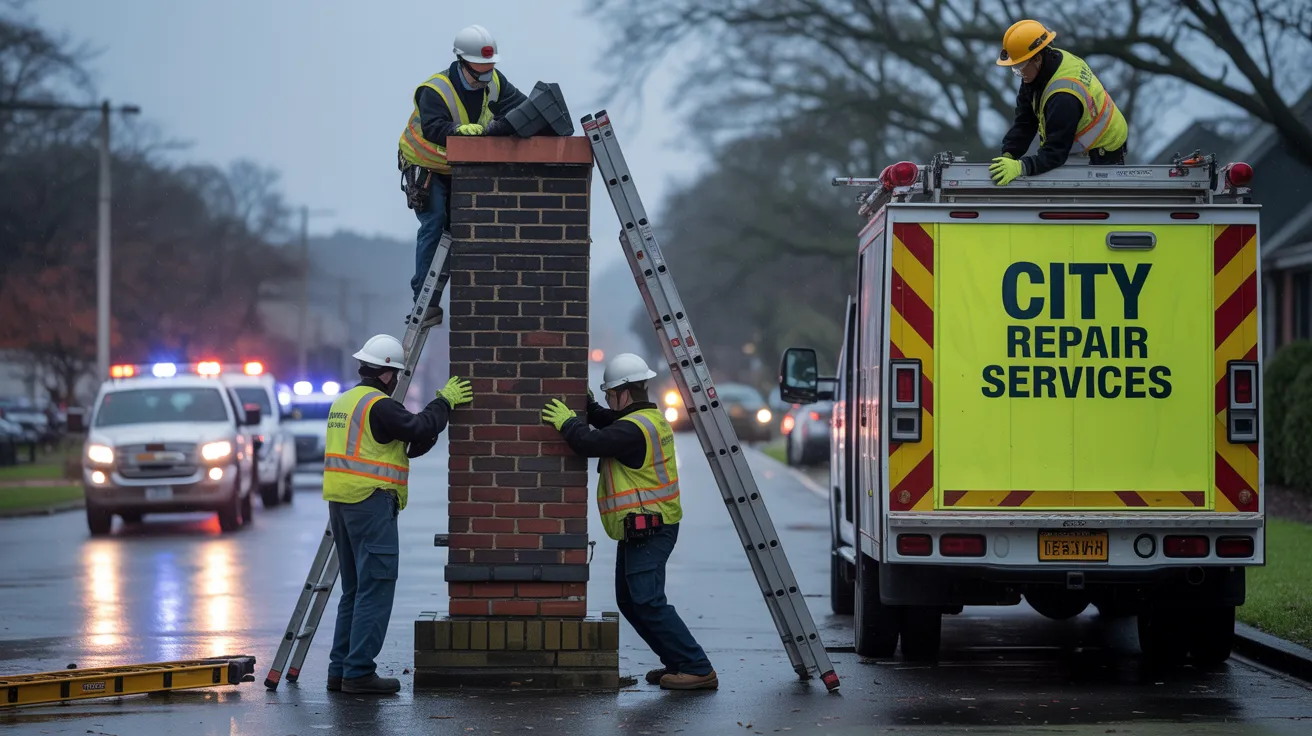
Once the inspection reveals particular problems, the chimney repair process moves forward with targeted solutions intended to return safe operation. Experts usually commence with comprehensive soot removal to remove dangerous deposits and improve airflow. When the liner is compromised, they'll recommend replacement or relining options to prevent harmful fumes from seeping inside and to safeguard masonry from heat damage. Deteriorated masonry require tuckpointing or brick replacement to maintain the chimney's structural integrity. Moisture barriers might be implemented to prevent future moisture penetration. For extensive deterioration, complete or partial reconstruction may be required. Every repair technique strives to address the root causes, guaranteeing your chimney stays safe, functional, and adherent to Seattle's building codes.
Chimney Leak Detection and Solutions
While chimney leaks often remain undetected until they create visible damage, catching problems early is essential for preventing expensive structural damage and health concerns. Watch out for key signs including water stains on walls or ceilings near your chimney, musty or damp scents, and rusted firebox elements. Expert chimney leak inspection involves a comprehensive inspection of the crown, flashing, and cap to locate water entry locations. Technicians utilize specialized tools to assess hidden leaks and structural weaknesses. Once found, proven leak repair techniques—including resealing flashing, installing new chimney caps, or adding waterproof coatings—can successfully resolve the issue. By tackling leaks promptly, you'll safeguard your home from mold growth, weakened masonry, and further moisture problems, ensuring lasting chimney performance and safety.
Professional Masonry and Brick Restoration
Upon discovering cracked, spalling, or missing bricks on your chimney, immediate repair work is crucial to ensure structural soundness and avoid safety risks. Deteriorating brick and mortar allow moisture to infiltrate, leading to rapid deterioration and risk of breakdown. It's important to have a professional expert to assess the extent of damage, verifying that the right masonry restoration techniques are used. During repair work, professionals systematically take out deteriorated units, select compatible replacements for your chimney, and utilize superior bonding materials for a flawless fix. This detailed process not only enhances aesthetic quality but also prevents further structural issues. Don't overlook these repairs—tackling repairs promptly will extend your chimney's lifespan and keep your home safe from potential dangers.
Professional Chimney Cap and Crown Services
The chimney cap and crown serve as your chimney's main safeguards against water intrusion and animal entry, their condition significantly affects your home's safety and the flue's longevity. If your chimney cap is damaged, rusted, or absent, water may leak down the flue, causing interior deterioration and possible mold issues. A secure, properly fitted chimney cap also blocks animals, debris, and pests from blocking your venting system. The chimney crown seals the top of your masonry, shielding bricks and mortar from weather damage and erosion. Damage or deterioration in the crown enable moisture to seep in, weakening structural integrity. Periodic examinations and timely repairs of both the chimney cap and chimney crown help maintain you maintain a safe, efficient, and long-lasting chimney system.
Finding the Ideal Chimney Maintenance Professional
Choosing a reputable chimney repair company demands detailed review of certifications, safety practices, and specialized skills. You need to ensure that the service provider possesses proper credentials, insurance, and certifications from recognized industry associations. Inquire about their expertise with both chimney maintenance and advanced venting systems to ensure they can address your system's unique needs. Professionals must comply with current safety standards, employ protective apparatus, and maintain strict procedures to avoid incidents or fire dangers. Evaluate their history by investigating references and reading customer testimonials emphasizing dependability and competence. It's also crucial to ensure that they utilize industry-approved materials and approaches for all repairs. By focusing on these elements, you'll guarantee your chimney repair job is executed securely, efficiently, and to the highest technical requirements.
Key Maintenance Guidelines for Your Chimney
Schedule regular chimney inspections to identify safety hazards and structural problems at an early stage. Prevent creosote accumulation by following recommended cleaning intervals and solely using properly seasoned firewood. It's also crucial to apply suitable waterproofing and sealing to shield your chimney from Seattle's regular precipitation.
Regular Chimney Inspections
Although many homeowners often overlook it, arranging routine chimney inspections is essential for preserving a secure and effective fireplace system. Your chimney should be examined annually by a licensed specialist who can detect structural issues, blockages, or signs of wear. Regular checks are crucial in maintaining chimney safety by uncovering underlying concerns before they become serious. A comprehensive inspection will also determine if chimney cleaning is necessary to clear buildup or blockages that could restrict airflow. Certified technicians utilize advanced equipment and imaging devices to examine the flue, liner, and masonry, delivering a comprehensive assessment. By prioritizing regular inspections, you'll protect your home from potential hazards, extend the lifespan of your chimney, and ensure your fireplace functions efficiently.
Preventing Creosote Buildup
Multiple key preventative maintenance actions can significantly reduce the risk of creosote buildup inside your chimney. Make sure to burn seasoned hardwood, as it yields less smoke and decreases residue. Ensure your fireplace damper is fully open during operation to optimize airflow, which aids efficient combustion and minimizes creosote formation. Plan professional chimney cleanings at least once a year—creosote removal by a certified technician is critical to prevent dangerous accumulations. Inspect your firebox and flue regularly for early signs of buildup, such as dark, tar-like deposits. Address these swiftly to avoid a serious fire hazard. Refrain from overloading the firebox or burn unapproved materials, as both can increase creosote buildup. Following these practices will help keep your chimney safer and better functioning.
Waterproofing & Sealing Solutions
How does water infiltration seriously impact your chimney's structural integrity? When water penetrates your chimney's masonry, it can cause serious damage, crumbling bricks, and corroding metal parts. Moisture erodes mortar joints and establishes optimal conditions for destructive freeze-thaw cycles, threatening the whole structure. To avoid these expensive problems, ensure adequate waterproofing and sealing measures.
Start with a thorough inspection for cracks or gaps that might permit water penetration. Next, apply a professional-grade sealant coating particularly made for chimneys—steer clear of generic water repellents, as they could lock in moisture. Ensure the sealant is breathable, permitting the chimney to "breathe" while stopping rain penetration. Regularly reapply sealant every few years to maintain maximum protection. This proactive step lengthens your chimney's life and keeps your home protected.
Scheduling Your Chimney Inspection and Repair
To prevent escalating damage and safety hazards, schedule your chimney inspection and repair with a certified professional. A certified specialist will inspect the complete setup, identifying potential hazards such as exhaust system concerns or pressing maintenance needs. Never postpone these crucial services—residue deposits or obstructions may lead to fire risks or cause dangerous carbon monoxide to leak into your home.
Book your annual chimney maintenance, or after major storms, to ensure your chimney's durability and performance. During the inspection, technicians utilize specialized equipment to check all chimney components, delivering clear advice for any necessary repairs or maintenance. By staying proactive, you'll eliminate major damage, preserve ideal air quality, and keep your heating system functions properly all season long.
Common Questions
What is the Typical Cost of Chimney Repair in Seattle?
When planning chimney repair in Seattle, you should expect to pay ranging from $300 for simple repairs to $3,000 or more for major restoration. You should schedule a chimney inspection first—specialists can spot potential problems and verify safe operation. Chimney cleaning usually ranges from $150–$350 and might expose repair needs. Make sure to use certified technicians; they'll use proper techniques and supplies to keep your home safe and keep your chimney operating properly.
Are Permits Required for Seattle Chimney Repairs?
Don't assume permits are only needed for big construction projects! In Seattle, it's required to have a permit for the majority of chimney repairs, especially those that include structural modifications or masonry work. Even routine chimney cleaning and safety checks need to meet compliance with local codes to ensure safety. Be sure to contact Seattle's Department of Construction and Inspections, because skipping permits could lead to major issues, inspection here failures, or hazardous conditions for your property and loved ones.
Is Using Your Fireplace During Repairs Possible?
It's important not to use your fireplace during ongoing repairs. To ensure proper fireplace safety, make sure to wait until all repair work is done and thoroughly checked. Using your fireplace during repair work can lead to potential structural failures, toxic fumes, or fire risks. Coordinate closely with your contractor on repair scheduling and verify when it's safe to start using. Putting safety first helps your fireplace to perform optimally and safely and protects your household and family.
Does Homeowners Insurance Cover Chimney Repair?
Imagine insurance coverage as a safety net—it shields you from sudden storms, but not everyday wear and tear. Your home insurance policy may cover chimney repair if damage results from an insured event, including storm damage or fire. It won't cover issues from poor upkeep or time-related deterioration. To initiate the claim process, document the damage thoroughly and notify your insurance provider right away. Always prioritize safety by having a certified professional evaluate your chimney's condition.
How Much Time Does a Regular Chimney Repair Require?
A normal chimney repair generally takes one to three days, depending on the amount of damage found during your chimney inspection. If the masonry restoration needed is minimal, you'll see faster results. Complex repairs, such as sectional rebuilding, could increase the duration. You should focus on safety by booking a professional inspection beforehand, as this ensures all safety and structural concerns are completely assessed before any masonry restoration or other repairs begin.
Wrapping Up
Don't wait until your living room resembles like something out of Seattle's own version of "Old Faithful"—with debris bursting from your overlooked chimney. The indicators are clear, you know the risks, so reach for your phone not a mop. Prioritize safety and efficiency by arranging a professional inspection right away. With expert hands and careful attention, you'll preserve your home dry, your air clean, and prevent your chimney from becoming a safety hazard.